A Founder’s Promise
A manifesto for the backers and believers of Silicon Xchange
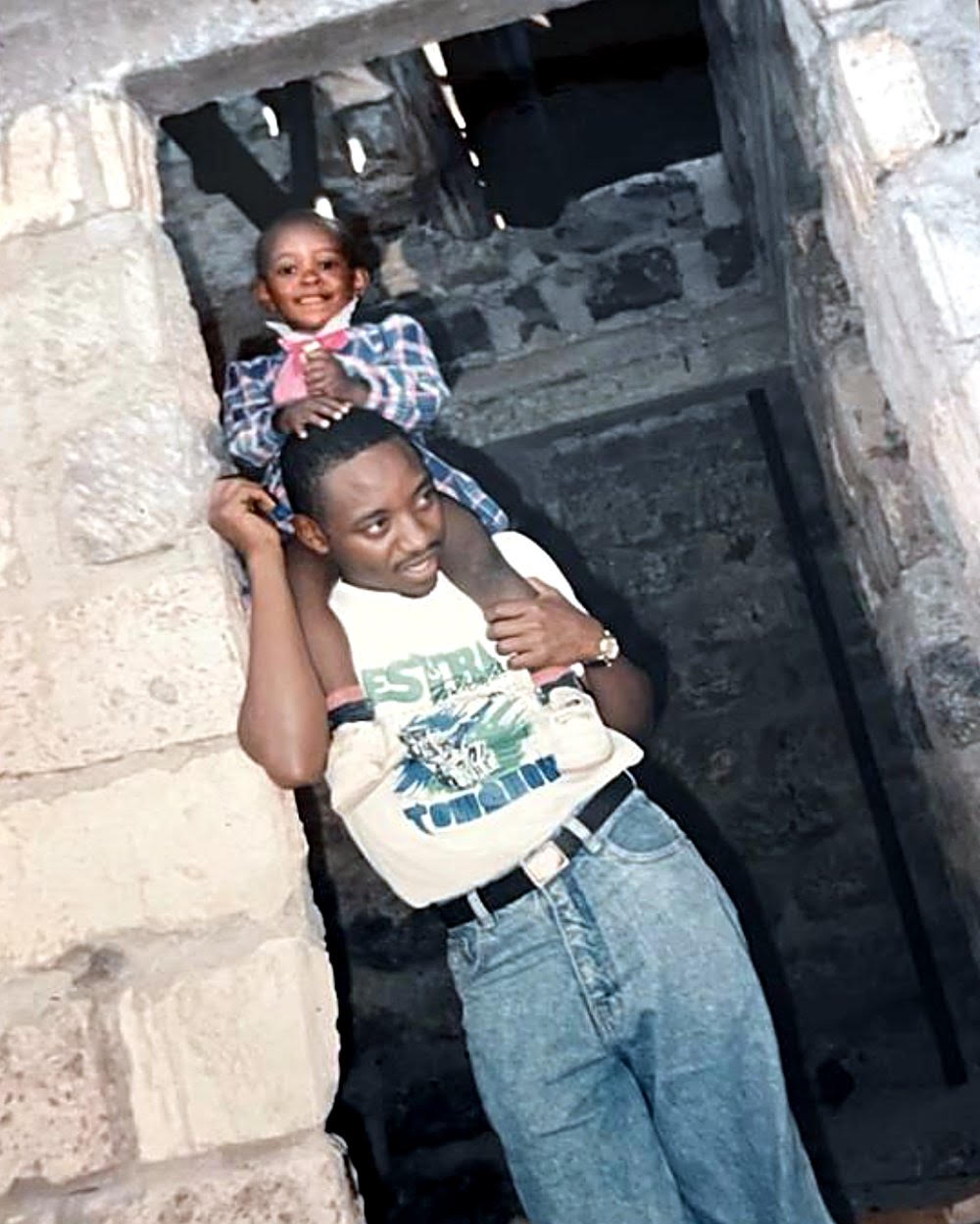
My first home was one room in Buruburu, on the east side of Nairobi. When I was two, my parents moved us into a house they were still building. The kind you live in while it's still being built around you.
In retrospect, that taught me how the world works. You don't wait for perfect conditions. You build until it holds, move in, and finish in motion.
This is a filter more than a pitch. I want you to know what I believe and what I promise, so you can decide whether this is a company you want to help build.
One instinct, four times
It took me years to notice I've been doing one thing my whole life. So I’ll start from the beginning.
Nairobi, Kenya · 2014
At a primary school where I volunteered after high school, there was just one dictionary for every seven kids. I was the treasurer at my church, so I knew how to collect contributions and account for them. I used that experience to run a fundraising drive and put books in their hands.
2015
Then I built a career program for my own lost generation: kids across the table from people who'd figured it out. Books. Narrative. Mentors.
2018
Then I hosted The Millionaire Mind on Ebru TV, a show about Kenyan founders, because founders deserved a platform.

Now capital.
Same instinct, four chapters. I never pivoted into this.
None of this is pitch-deck lore. The receipts are on Facebook, twelve years old.
What I actually believe
Everyone says “Africa now.” It's a slogan, a conference lanyard. "Africa is the future," right up until someone has to wire the money.
My conviction is narrower: the corridor between African innovation and global capital is illegible.
Not broken. Illegible.
The talent is here. The capital is willing. Neither can see the other. A real company posts real numbers in Nairobi and gets silence, while a lighter story in San Francisco gets the spotlight. Whoever makes the corridor legible wins.
I know what access is worth, because I've been priced on both sides of it. In Nairobi I earned about $1,000 a month. Same brain, same work ethic, same questionable relationship with the word "impossible." I moved closer to capital, and the number moved about twentyfold. Nothing about me changed. My proximity did. That's this company's whole thesis, with my face on it.
Nobody carried me through this corridor. I had to find the way. I watched programs route the students around me into the rooms I wanted to be in, and I studied the path from the outside until I understood how the door worked. UC Berkeley, San Francisco, the O-1 visa: I found each one by learning how access behaves from the wrong side. Silicon Xchange is me building the door itself, so the next founder doesn't have to guess their way around.
We are the rails and the room. The platform, the convenings and the media are parts of the same business. Trust compresses fastest in person: a year of cautious emails fits into one curated dinner. The rooms generate revenue and data. The platform keeps that context useful after everyone goes home: evidence behind claims, relevant connections and a record of what happens next.
Narrative is core too. African innovation isn't underfunded only because it's hard to find. Its story has never been told at the scale it deserves. A founder can have perfect metrics and stay invisible, because nobody built the machine to make the world see them. So we build narrative capital on purpose: media, storytelling, receipts made public. Like trust and money, it compounds if you start early and hold. We don't just route the corridor. We make sure the world can see what's moving through it.
The timing is structural. When AI makes it easier for anyone to sound convincing, knowing who to trust becomes more valuable. When anyone can make anything, the one who can tell you what's real, and route you to it, wins. We're building for that world.
What I'm putting on the table
I bootstrapped Silicon Xchange with my own money from the day we incorporated in 2024. That's the cheap part.
I also left a great tech job: a real salary, the remote flexibility everyone says they want. It was sponsoring my green card, with about a year left after a three-year wait. If you're not an immigrant, here's what that means: people give up everything for that card. Enduring the wait is the sacrifice, and the card is the prize. I walked away from it to build this.
My closest friends tried, very reasonably, to talk me out of it. To them, the timing was insane. I did it anyway, because the timing was the point: this had to be built now.
So when I ask for your money, your time, or your belief, I've already made the most expensive bet of my life. I'm asking if you'll make a much smaller one.
First, we did it by hand
We matched a chip-design startup in Los Angeles with a university in Uganda. That introduction became a contract worth over $100,000 a year.
We gave a space-tech company its first Kenyan stage in 2024. It met its CTO through our network in 2025. This October, it raised an $8 million seed round.
We introduced a Los Angeles media investor to Nairobi's ecosystem in 2025. In 2026, he launched a media fund that invests in Africa and backed three companies.
Behind those outcomes: 8,000+ people, 25 events, three continents. Those rooms are where the relationships began.
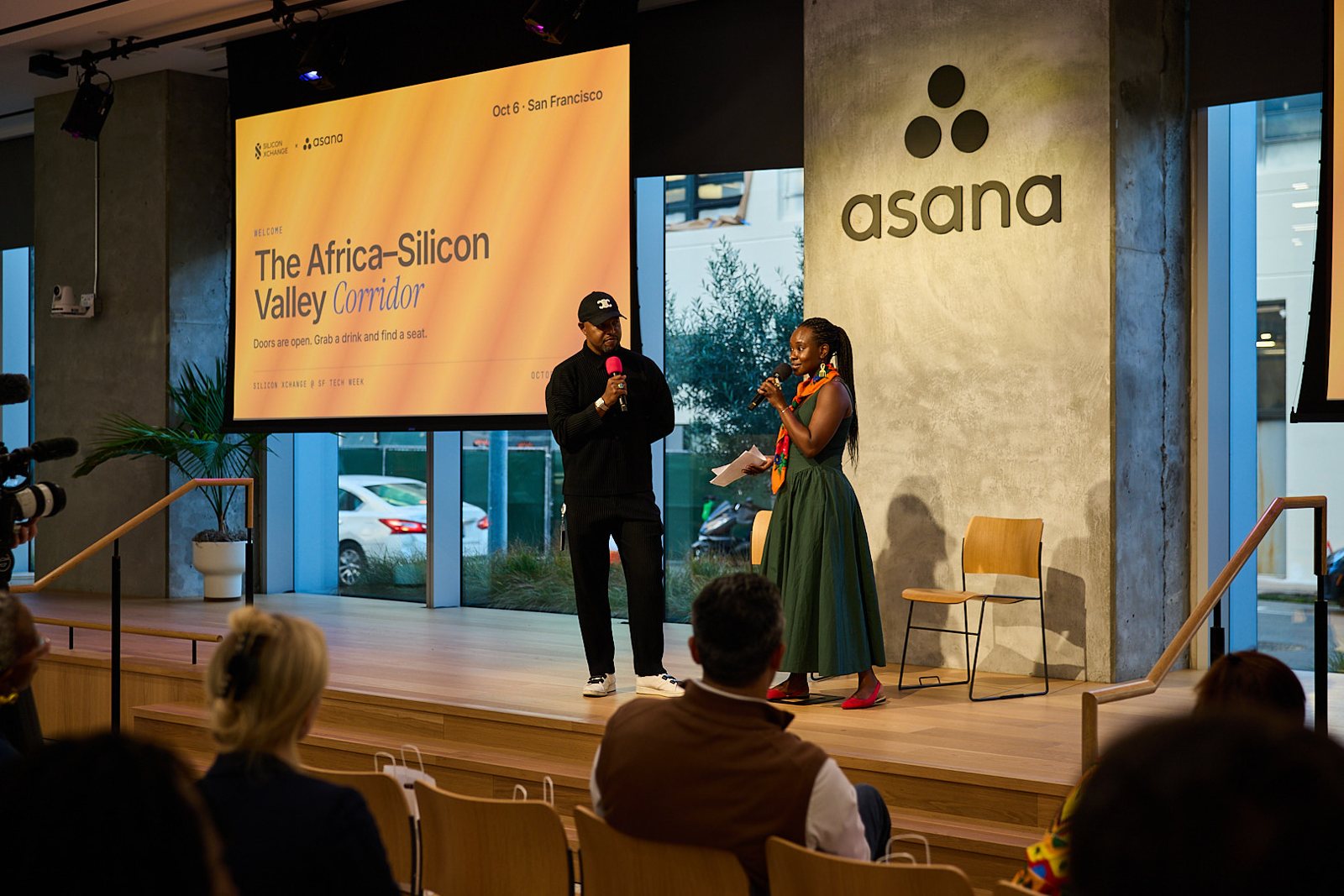
Those introductions depended on people knowing me. We're building the platform so the next founder doesn't have to. The test is whether we can keep delivering the same value as we grow and give members a reason to stay.
The promises that bind me
Everyone here is putting something on the line.
Some of you will invest money. Others will give your time, make introductions or put your name behind us. I won't take any of that lightly.
I will be disciplined with your money.
I bootstrapped this with my own money, and raising capital won't make me forget what a dollar costs. Every dollar has to earn its place. We'll put more behind what works and stop spending on what doesn't.
Attention is sacred, and I refuse to spend yours cheaply.
Your inbox is already a crime scene. Companies treat your attention like free parking. So here's a promise, because I'm in the narrative business: we will not spam you. When we contact you, there should be a reason it matters to you: a relevant introduction, an opportunity, or an honest update on the business.
You'll hear the difficult things from me.
Our backers will hear from us regularly, including when the news is disappointing. If we miss, I'll tell you what we missed, what I got wrong and what we're doing about it. I'll distinguish what we've proven from what we're still testing. You deserve enough information to judge the decisions I'm making with your money, your time and your name.
Money will never buy our judgment.
We'll make commercial relationships clear, and we won't dress paid promotion up as independent judgment. No partnership is worth putting our name behind something we don't believe. Trust is the thing we've built. I intend to keep it.
We have to keep earning your business.
We'll track what happens after introductions, including the ones that go nowhere. Members should stay because the network keeps helping them move forward.
We don't win when we sign you. We win when you renew.
What could go wrong
The risk is that what works by hand doesn't work at scale. Verification could cost too much. Introductions could become less useful as the network grows. If every meaningful connection still depends on me, we haven't built the company we're promising. Those are the things we have to get right.
Internally we're fanatical about speed. When there's a verified match, we move now, because context expires and a late introduction is a dead one. We'll invest in making the work faster and more repeatable. But we won't wave people through verification or push introductions that make no sense just to make the numbers look better.
We'll take venture capital. We're building a company, not a monastery. But the people who back us need to understand what it takes to earn, and keep the trust this business depends on. If you need an exit in three years, I am, with great affection, the wrong founder.
I know what happens when the right people find each other. We've already seen the hires, the contracts and the investments. Now I'm building a company that makes those outcomes possible far beyond the people I can personally reach. That's the bet; and it's the most asymmetric one on the continent.
What winning looks like, so you can hold me to it
Silicon Xchange becomes the default network for capital, talent and deal flow between Africa and Silicon Valley.
An investor finds verified deal flow, with evidence behind the numbers. A founder in Nairobi wins a US customer. A founder in San Francisco finds a partner in Africa. The diaspora defaults to us.
The introductions turn into outcomes we can point to. We become the thing the corridor is measured against.
The next proof is a cohort that renews, useful introductions that happen without me, and outcomes we can trace back to those connections. We'll measure whether people return, whether they renew, and what happens after they connect: customers won, people hired, investments made. We'll report what we can substantiate and be clear about what we don't yet know.
The point is to expand economic opportunity and help more people turn their talent into wealth.
For me, UC Berkeley and being in San Francisco helped establish credibility and open doors. I'm building Silicon Xchange to carry that same weight for people on both sides of this corridor.
Every year, I'll return to this letter with the proof: members who renewed, introductions that led somewhere, and what we're learning as the network grows. Where we kept our word. Where we fell short. What we're changing. You should be able to put it beside our decisions and see whether the two line up.
You know what I believe. You know what I'm putting on the line. And now you have my word on how I intend to build.
If this is a company you want to help build: